The spread of Western Culture has become rapid. Not only restricted to gadgets, today’s youngsters also try to imitate the Western style of lifestyle in different ways. They feel satisfied if their lifestyle is similar to that of the Western Culture. For example, people follow the Western style of haircut by coloring their hairs, wearing branded clothing, and adopt the diet of fast foods as a means of imitating the Western Culture lifestyle.
Because of being accustomed with the Western culture, the young people nowadays have the opinion that everything related to Indonesian culture is outdated. Instead, they have the belief that the Western style of lifestyle represents the modern lifestyle. An example could be how Batik is still viewed by some as outdated, and not fit to wear for everyday use. This idea is not accurate, and not everything relating to Indonesian culture can be referred to as outdated. There are surely elements of the Indonesian culture which have made it to the worldwide scene, and they are well known. Batik is one example of this. Below are several facts regarding Batik, and why Indonesian people should be proud of wearing Batik
1. The meaning of Batik is to draw dots
The word Batik is derived from two Javanese words, and they are Amba and Tik. Amba means to draw, whereas Tik means Dot. In practice, the art of crafting Batik means to draw dots, and then to form a pattern resulting from them. Batik was introduced already since the Majapahit era. Previously, Batik was made by women of the palace. Also, in the past, Batik was only worn by people of the top hierarchy who lived in the palace
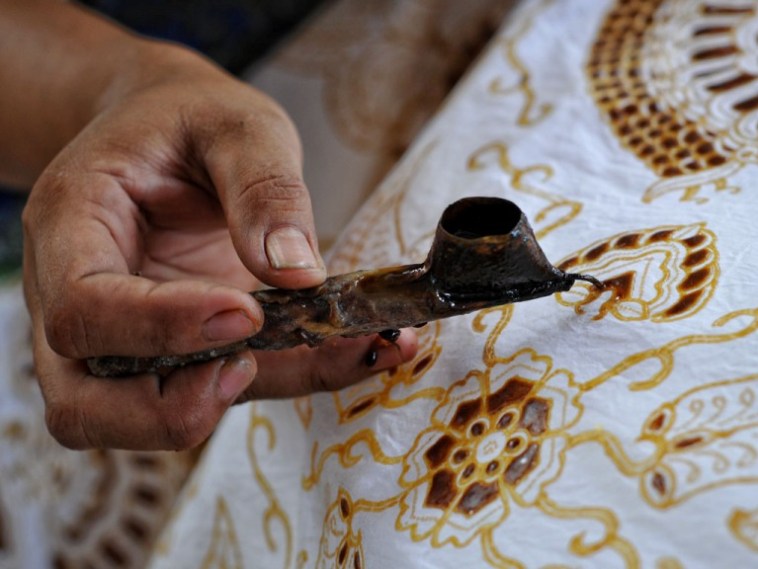
The process of drawing bots to form Batik needs several tools. For example, the tools include a stove and a small skillet. Other than these tools, Batik also requires fabric and ‘night’. In this context, ‘Night’ refers to a type of candle. This candle is lit until it melts. As a result, the remaining wax is taken little by little and is poured dot by dot on top of the fabric with the already drawn pattern. Thus, the creation of Batik requires patience on the job.
2. More than 15 Batik Motifs
Previously, Batik was used by superiors living in the palace. As a result, the usage of Batik now has rules to it. Batik fabric has more than 15 differing motifs. Each of the motifs are used for different purposes. For example, the Batik motif of Parang Barong. This Parang Barong motif could only be worn by the kings. Parang Barong was believed to be a holy figure. By using Batik with Parang Barong motif, it was believed that the kings would be more careful in taking care of themselves. It was also hoped that the kings would become an honest ruler, fair, and always demonstrate responsibility toward the people.
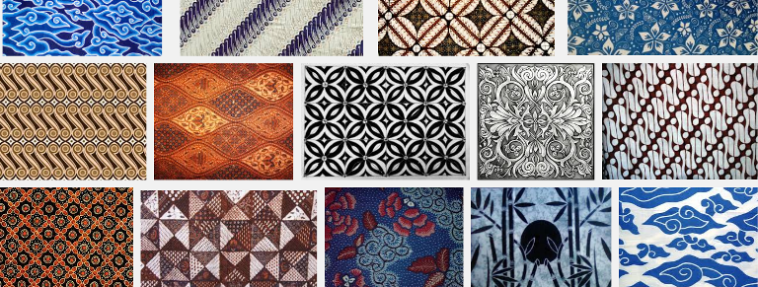
Another example of a Motif could be the Motif Batik Nitik. This motif is believed to be the oldest Batik motif. It was inspired from ‘patola’ fabric worn by businessmen in Gujarat. This Motif Nitik is worn by elderly people for wedding ceremony. Other than these motifs Parang Barong and Nitik, there exist others also and they are Ceplok, Kawung, Parang Rusak, Loreng, Semen, Kraton, Sudagaran, Cuwiri, Tambal, Sekar Jagad, Sido Mukti, Sido Luhur, and Sido Asih
3. Batik penetrated into the worldwide market
Batik was first worn as the country’s official attire during the presidential reign of Suharto. In the year 1980, while welcoming the Prime Minister of Australia Gught Witlam, Suharto wore Batik. A gift consisting of Batik clothes was presented to the prime minister by the First Lady Mrs. Tien Suharto, to be worn to an occasion at the Borobudur. Suharto had also worn Batik when welcoming other head of states from other countries who visited Indonesia. Suharto was also the first person who wore Batik and showed it off to the world when attending the United Nation conference.
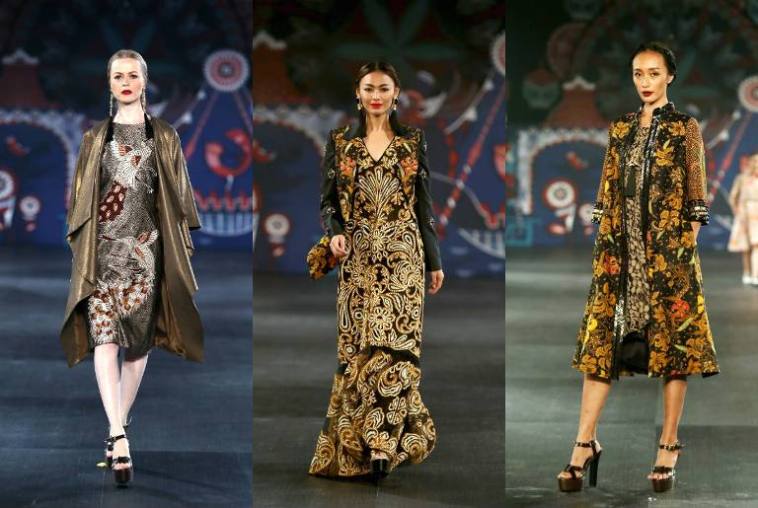
Other than its introduction through Suharto, Batik also became famous after being worn by Nelson Mandela. Nelson Mandela was brave enough to wear Batik on several official meetings. His interest in Batik was sparked when visiting Indonesia, while still representing the organization of National African Congress. Later in the year 1997, Nelson Mandela came back to visit as the President of South Africa, and this time he wore Batik again. Afterwards, he kept continuing to wear Batik even during official meetings outside Indonesia.
4. Batik is worn by many International artists
Not only restricted to officials from Indonesia who wear Batik, it turns out that many international artists also wear Batik. One of them is Jessica Alba. In the year 2005, she wore Batik with the motif Parang from Yogyakarta. The Batik fabric she wore was when she attended a red carpet event to which received a lot of media attention. Other artists who wear Batik include Dakota Fanning. She prefers to wear Batik with combinations. For example, even her handbag once had a Batik motif.
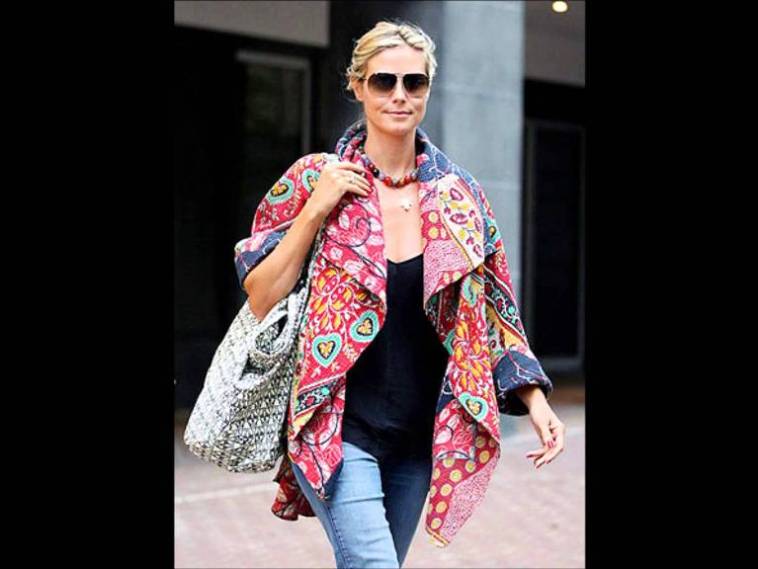
From Germany, there was once a famous Victoria Secret model named Heidi Klum who wore Batik. She became famous in Indonesia after wearing Batik fabric. A lot of media coverage had provided spotlight to when she wore Batik. This leads to the question, that if a world famous Victoria Secret model can wear Batik, then why must people in Indonesia be ashamed to wear Batik?
5. It was almost stolen by Malaysia
There have been instances in the past when Malaysia have tried to claim for themselves, actual products which belong to Indonesia. Some of them include ‘Rendang’, ‘reog Ronorogo’, ‘Rasa Sayange’ song, ‘Kuda Lumping’, and also ‘Wayang Kulit’. Batik, originally from Indonesia, was almost going to be claimed as something which came from Malaysia. As a means to falsify the claims which were coming from Malaysia that they created Batik, Indonesia had taken to UNESCO and verified Batik as a cultural heritage which came from Indonesia. Then, on 2nd October 2009, UNESCO officially recognized Batik as an intangible cultural heritage of humanity. This was held in Abu Dhabi, United Arab Emirates. Since then, the date 2nd October is recognized at National Batik Day.
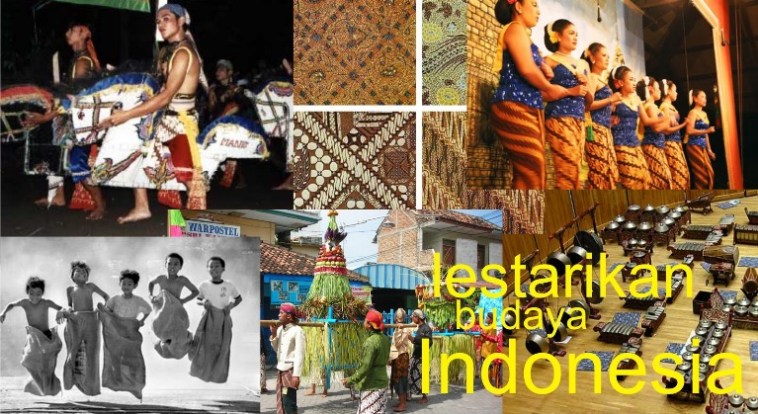
The recognition of Batik by UNESCO petrified Malaysia’s efforts in claiming it for their own. As a result, the ministry of Culture and Tourism in Indonesia hoped that Batik could be worn by people during their daily activities. This was to show that Batik is originally from Indonesia and hopefully could attract tourists to visit, and experience the uniqueness and diversification of Indonesia
6. Batik was registered into a school curriculum in a Fashion School in France
On 12th April 2012, one of the oldest fashion schools in Italy, Koefia, was interested in the technique to craft Batik fabric from Solo. As a result, they introduced it into their curriculum. This decision was made after a meeting between the artistic director of Koefia, Bianca Lami, head minister of Lazio, and the mayor of Solo. They had found out about Batik from the Internet.
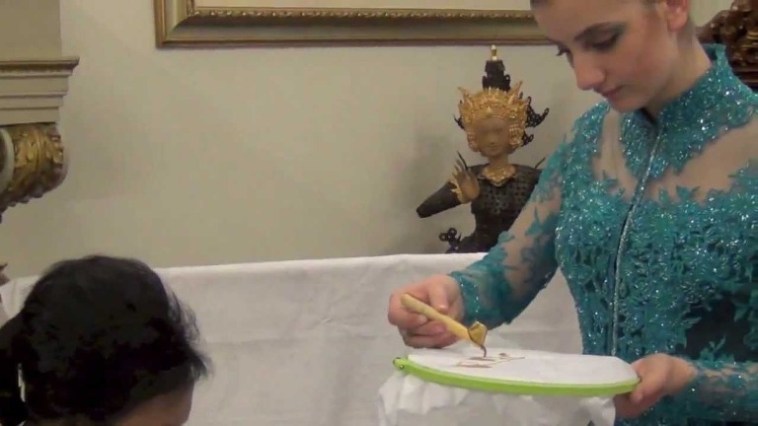 Koefia’s plan was to introduced Batik, originally a representation of culture from Indonesia, into their fashion line of Europe. The resulting creation of Batik would then be introduced into events representing the international scene, such as fashion shows. As it is already well known that Italy sets the way when it comes to Fashion, and if Batik were to be displayed on fashion shows in Italy, it could potentially give a huge impact to the world popularity surrounding it.
7. Batik is an expensive fabric
With regard to the method of crafting Batik, there are three ways, and they are ‘Batik Tulis’, ‘Batik Cap’, and ‘Batik Printing’. Batik Tulis represents Batik whose crafting is the same as the way it was made in the past. The crafting of Batik is completely done by hand. Batik Cap is created by ready made patterns. The quality of Batik Cap is below Batik Tulis. Whereas Batik Printing represents the creation of Batik through screen printing.
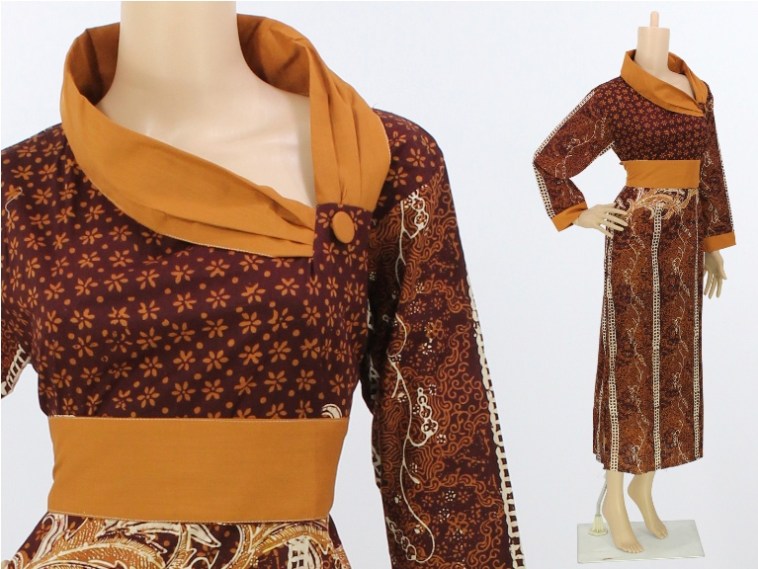
Batik Tulis is a form of Batik of high quality. The creation of it is done manually, and requires time to do. Due to the time factor, the prices of Batik Tulis are expensive. The price ranges start from one hundred thousand rupiah, and goes up all the way to millions of rupiah, per meter. To provide more detail, it is also expensive because to produce Batik Tulis, it takes time even for the white fabric to be produced into Batik fabric and approximately three months for this process. Through this fact, it can be seen that Batik is not a cheap fabric, and could actually be placed alongside the expensive fabrics of today.
 Style of Indonesia